Experimental Kitchen
The University of Southern Mississippi hosts one of the largest statewide collections of community cookbooks in the United States (at least in proportion to the number of cookbooks published). Over a hundred of those cookbooks have been digitized and are available from Southern Miss' University Libraries.
Suwan Aryal, a talented undergraduate computer scientist at Southern Miss, and I have used artificial intelligence to parse and explore these digitized texts.
Data Collection & Processing Pipeline
Suwan Aryal developed a sophisticated pipeline to extract and process recipes from digitized cookbooks. Here's a detailed explanation of the process:
Technical Stack and Implementation
The data collection and processing pipeline was built using Python as the primary programming language. The system leverages several key libraries and technologies to extract, process, and structure recipe data from historical PDF cookbooks.
PDF Extraction and OCR Processing
The pipeline begins with PDF extraction, where each cookbook is converted into individual page images containing recipes. These images are processed through optical character recognition (OCR) using pytesseract, a Python wrapper for Google's Tesseract OCR engine. The OCR process transforms visual pages into machine-readable text, enabling automated extraction of recipe content.
The PDF extraction phase presents unique challenges with historical documents. Many of these cookbooks were scanned from physical copies, resulting in varying image quality, page orientations, and occasional artifacts like creases, stains, or handwritten annotations. Each PDF must be carefully parsed to identify recipe boundaries, separating actual recipe content from headers, footers, page numbers, and other non-recipe text. The OCR output is often imperfect—character recognition errors are common, especially with older fonts, faded text, or decorative typography common in community cookbooks from the 1960s through 1990s.
AI Processing with Google Gemini
Each page of text is then processed using Google Gemini AI, which applies advanced filtering, cleaning, and correction techniques to standardize measurements, ingredient names, and cooking instructions. The AI handles variations in historical terminology, converts old measurement systems to modern equivalents, and ensures consistency across different cookbooks and time periods.
The AI processing stage is where the raw OCR text becomes structured, usable data. Gemini AI performs several critical transformations: it identifies recipe components (title, ingredients, instructions, servings), extracts structured information from free-form text, and normalizes data across different formats. For example, it recognizes that “1 cup flour,” “1 c. flour,” and “one cup of flour” all represent the same measurement. It standardizes historical measurements—converting “1 pint” to “2 cups” or recognizing that older recipes might use “1 teacup” which needs modern conversion. The AI also handles regional variations in ingredient names and corrects OCR errors by understanding context.
Database Creation and Consolidation
After individual processing, all extracted JSON data is combined into a single comprehensive file, creating a unified recipe database. This consolidated dataset enables powerful search capabilities and cross-cookbook analysis that would be impossible with traditional manual methods.
The final consolidation phase merges thousands of individual recipe JSON files into one master database. Each recipe in the unified database includes metadata like source cookbook, publication decade, contributor information (when available), and standardized recipe components. This structure enables sophisticated queries—we can search for all recipes containing specific ingredients across all cookbooks, analyze how cooking techniques evolved over time, identify regional variations in recipe names, or track the popularity of certain dishes across different decades and communities.
Research Findings & Analysis
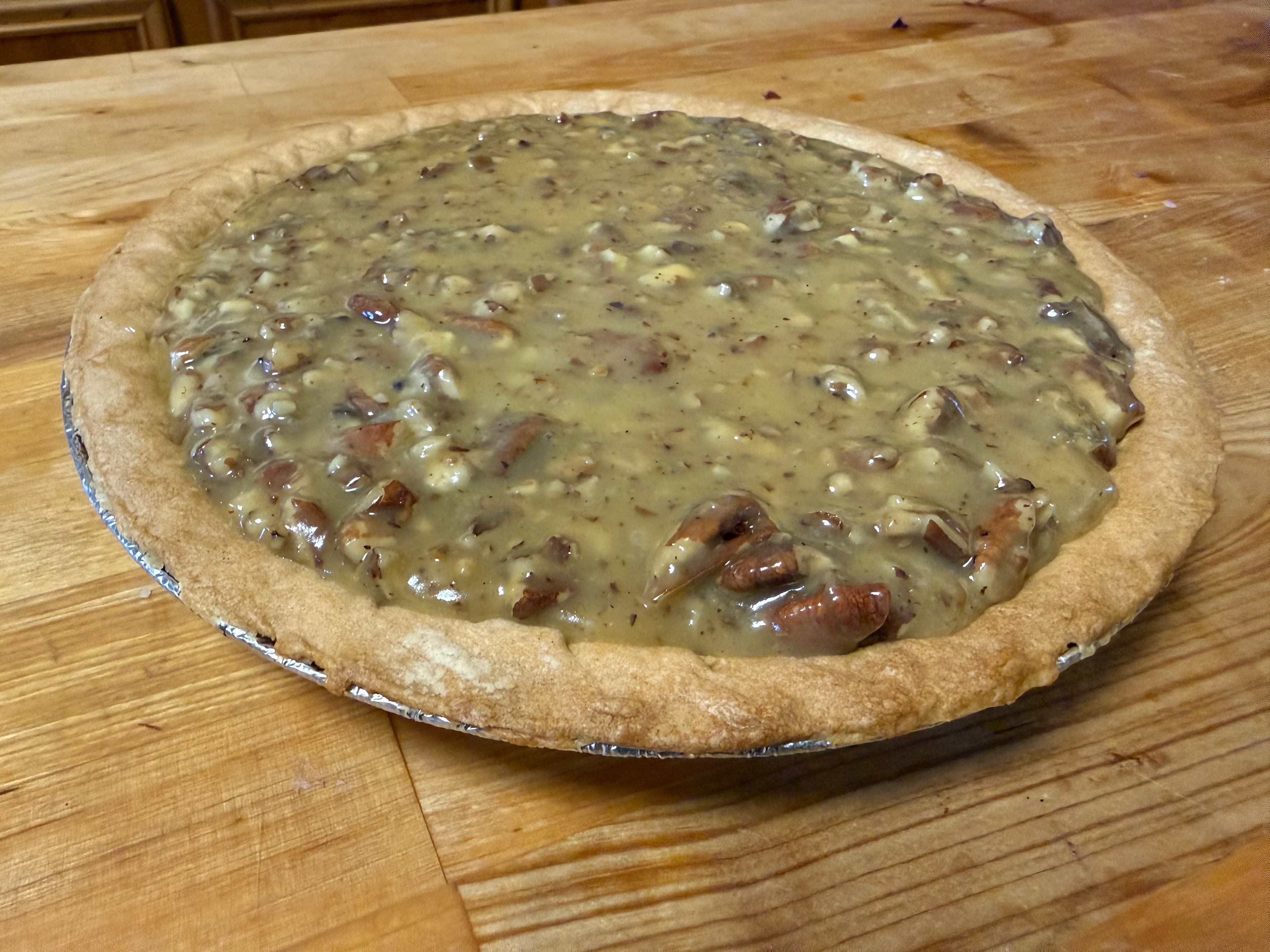
The combined JSON database has proven invaluable for analyzing different culinary trends and patterns across Mississippi's community cookbook history. Select any essay below to read the full analysis. The Pecan Pie series is a three-part deep dive into America's most debated dessert.